Source Anti Static Pps Sheet for Electronics and Automotive
Find 30 listings for anti static pps sheet suitable for industrial and electronic applications. Compare specifications such as PPS GF40 standards, ISO certifications, and customizable dimensions to identify the right material for your manufacturing needs; compare the available evidence and request quotations based on your requirements.
Key considerations
Products List


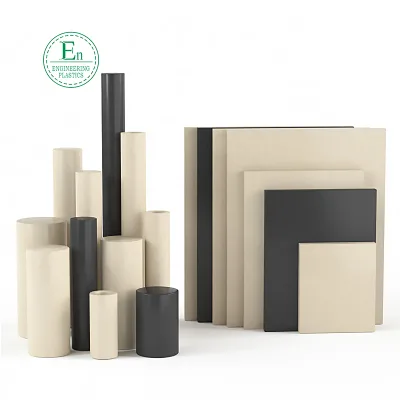
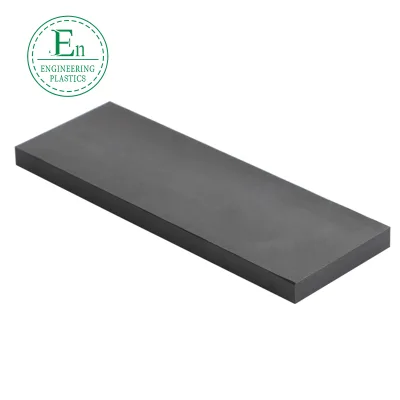


Comprehensive Sourcing Guide
Anti Static PPS Sheet Sourcing Guide
Procuring anti-static PPS sheets requires distinguishing between general polypropylene products and specialized polyphenylene sulfide materials with conductive additives. While the market contains various plastic sheets, true PPS GF40 variants offer superior chemical resistance and thermal stability compared to standard LLDPE or PP films. Buyers must verify that the material composition explicitly matches the PPS GF40 standard rather than relying on generic descriptions that might imply a different polymer base.
The sourcing landscape often presents mixed listings where "PPS" is conflated with other thermoplastics like PP or PE. A critical initial step involves confirming the specific resin grade and the presence of carbon fiber or conductive fillers that enable static dissipation. Without this verification, a buyer risks receiving a standard insulating sheet that fails to meet the electrostatic discharge requirements essential for sensitive electronics or hazardous environments.
Product Scope and Observed Listing Signals
Market listings for this category frequently display a wide range of thicknesses, from thin films around 0.03mm to rigid sheets up to 5mm. The observed data indicates that suppliers offer customizable widths and lengths, such as 1m to 2.15m or up to 2250m, allowing for tailored solutions in industrial packaging or protective applications. Buyers should scrutinize these dimensions to ensure they align with their specific machinery or cutting requirements before placing an order.
Product attributes often highlight features like moisture proofing, acid-alkali resistance, and specific hardness levels ranging from soft to hard plastic sheets. Some listings specify a hollow or fluted shape, while others present a solid plate structure suitable for building or metal surface protection. It is vital to match the physical form factor, such as the rectangle shape or specific density of 300-1000GSM, to the intended application to avoid performance gaps.
Technical Specifications to Verify
Technical due diligence must focus on the mechanical properties that define the sheet's utility in demanding environments. Key metrics include tensile strength, which can reach 3.9MPa in certain grades, and contraction percentages that typically range between 0.4% and 1.4%. These values determine the dimensional stability of the sheet during processing or under thermal stress, making them non-negotiable for precision manufacturing applications.
Buyers must also verify the material's chemical and physical resistance profiles, specifically water absorption rates which should remain below 0.01% for high-performance grades. The standard PPS GF40 designation implies a specific glass fiber reinforcement that enhances rigidity and thermal endurance. Confirming these exact numerical thresholds ensures the selected sheet will withstand the operational stresses of automotive, agricultural, or electronics sectors without degrading.
Compliance and Safety Documentation
Regulatory compliance is a primary concern when sourcing industrial plastics, particularly for applications involving food, electronics, or automotive components. The market data confirms the availability of certifications such as ISO, RoHS, SGS, and IATF16949, which are critical for validating material safety and environmental standards. Procurement teams should request current certificates to ensure the supplier maintains these standards consistently across production batches.
Beyond general certifications, specific industry requirements like Reach compliance and ISO14001 for environmental management must be verified against the product's intended use. For applications in the automotive or household sectors, adherence to IATF16949 is often mandatory to guarantee quality management systems. Buyers should treat these documents as essential prerequisites rather than optional add-ons to mitigate liability and ensure supply chain integrity.
Cost Drivers and Commercial Terms
Pricing for anti-static PPS sheets is influenced heavily by the complexity of customization and the specific material grade selected. The observed market shows a broad price range, reflecting differences between standard stock items and custom-drawn non-standard sizes. Buyers should anticipate that requests for specific thicknesses, widths, or unique processing types like blow molding will significantly impact the final unit cost.
Commercial terms often include flexible packaging options, such as one roll per carton or palletized shipping, which affect logistics expenses. Minimum Order Quantities (MOQ) can vary widely, ranging from single units to tens of thousands, depending on the supplier's capacity and the customization level. Understanding these variables helps buyers negotiate better terms and plan inventory levels that balance cost efficiency with operational flexibility.
Supplier Qualification and Quality Control
Supplier qualification requires a rigorous assessment of their manufacturing capabilities, particularly regarding machining services and custom drawing support. The presence of machining services indicates a supplier's ability to process raw sheets into finished components, adding value beyond simple material supply. Buyers should verify that the supplier can handle non-standard size drawings and samples to ensure they can meet unique project specifications.
Quality control processes must be validated through the supplier's adherence to standards like ISO9001 and their ability to provide test results for critical attributes. Since products originate from regions like Jiangsu, Wuxi, or general China manufacturing hubs, on-site audits or third-party inspections are recommended to verify production consistency. Ensuring the supplier has robust internal controls prevents defects related to density variations or structural inconsistencies in the final product.
Long-Term Procurement Checks
Sustaining a reliable supply chain for anti-static PPS sheets involves regular re-evaluation of supplier performance and material consistency over time. Buyers should establish periodic reviews to confirm that the supplier continues to meet the specified standards for hardness, transparency, and color customization. This proactive approach helps identify any drift in quality before it impacts downstream production or final product reliability.
Long-term partnerships also depend on the supplier's ability to adapt to changing market demands, such as new environmental regulations or evolving application requirements. Maintaining open communication regarding lead times and production capacity ensures that procurement plans remain resilient against supply chain disruptions. Regularly updating technical specifications and compliance documentation keeps the procurement strategy aligned with current industry best practices.
FAQs
What materials are used for anti static PPS sheets?
Anti static PPS sheets are primarily manufactured using Polyphenylene Sulfide (PPS) reinforced with glass fiber, such as PPS GF40. Some listings also indicate LLDPE or PP materials for related film applications. These materials provide high performance, moisture proofing, and chemical resistance suitable for industrial and electronic uses.
Can anti static PPS sheets be customized in size?
Yes, customization is available for anti static PPS sheets. Manufacturers offer non-standard sizes based on customer drawings and samples. Thickness can range from 0.03mm to 0.12mm or 2-5mm depending on the product type. Width and length are also customizable to meet specific project requirements.
Which certifications apply to anti static PPS sheet suppliers?
Suppliers of anti static PPS sheets typically hold ISO, RoHS, SGS, ISO9001, ISO14001, Reach, and IATF16949 certifications. These credentials ensure compliance with international quality and environmental standards. Buyers should verify specific certifications relevant to their industry, such as automotive or electronics, when selecting a vendor.
What are the typical applications for anti static PPS sheets?
Anti static PPS sheets are used in automotive, electronics, household, and agricultural sectors. They serve as protective films for metal surfaces, glass, and home appliances. Their acid-alkali resistance and high performance make them ideal for industrial packaging, building materials, and specialized protective coverings requiring durability.
How is anti static PPS sheet packaging handled?
Packaging for anti static PPS sheets is customized per customer request. Common methods include one roll in one carton or palletized arrangements. This flexibility ensures safe transport and storage. Buyers can specify unique packing requirements to align with their logistics and handling preferences during the procurement process.
What is the origin of anti static PPS sheet products?
Anti static PPS sheets are predominantly sourced from China, with specific origins noted in Jiangsu, Wuxi. This region is a key manufacturing hub for such industrial materials. Buyers should consider lead times and shipping logistics when sourcing from these locations to ensure timely delivery for their projects.